Running a clinic dispensary: from prescription to receipt
For clinics with their own dispensary. , 8 minute read.
In an evening dispensary, the doctor’s room and the medicine counter are two queues that have to move together. When they do not, patients finish their consultation and then wait again at the counter while someone reads a prescription, finds the medicines and adds up the bill. Here is how to make the second wait disappear.
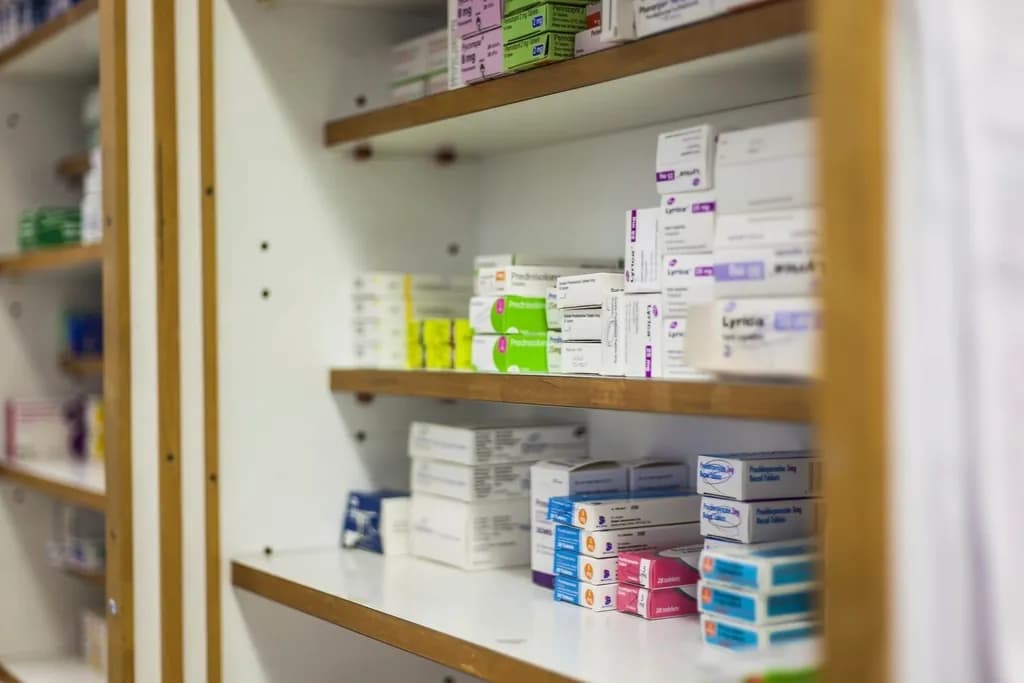
Why the counter becomes a second queue
Most dispensary delays have the same few causes: handwriting that has to be checked, medicines that are not where they should be, prices looked up one by one, and a bill added on a calculator. Each step takes a minute; together they keep a patient at the counter as long as they spent with the doctor.
The fix is to do as much as possible before the patient reaches the counter.
Let the prescription arrive before the patient
When the doctor writes the prescription on a screen instead of a pad, it can appear at the dispensary the moment the consultation ends. The dispenser starts picking medicines while the patient is still putting on their shoes.
A typed prescription also removes the most common risk at the counter: misreading a drug name or a dose. The dispenser sees the medicine, the strength, the dose and the duration exactly as the doctor chose them.
Issue from stock, not from memory
Every medicine on the prescription should match an item in your stock list, with its price and its batches. When the dispenser issues it, the quantity comes off the batch closest to expiry, and the stock count stays right without a separate register.
This is also where expired medicines are stopped. A system that refuses to issue from an expired batch protects the patient and the clinic. Our guide to keeping expired medicines off your counter explains the monthly routine.
Price every medicine once
Set a selling price for each medicine when you add it, and the cost price when you receive each batch. The bill then prices itself, and you can see the profit on medicines without a spreadsheet.
Review prices when a supplier’s cost changes, not at the counter while a patient waits. A list of items without a price is worth checking every week.
One bill for the whole visit
Patients prefer one receipt that shows the consultation fee and each medicine, and one payment. It is also easier for the clinic: fewer slips, fewer mistakes and one figure per patient at closing.
If a bill has to be cancelled, the medicines should go back into stock automatically, so the shelf and the records still agree.
Closing the day
At the end of the evening, the dispensary should be able to answer three questions in a minute: how much cash and card was taken, how much of that was medicines, and what is running low for tomorrow.
- Count the cash and compare it with the day’s cash total.
- Check card payments against the card machine’s summary.
- Look at the low-stock list and place orders before the supplier’s cut-off.
- Note any medicines written off or adjusted, and why.
Who does what
In a small clinic the same person may run the front desk and the dispensary. In a larger one they are different people. Either way, give the dispensary its own login: it needs prescriptions, stock and billing, not clinical notes or the doctor’s schedule.
Putting it together
Prescriptions on screen, stock that prices and counts itself, one bill and a quick close: that is what turns the counter back into a single step. Doc365 for dispensaries brings the queue, prescriptions, stock and billing together, from LKR 5,990 a month on the Clinic plan. See all plans on the pricing page.
Questions people ask
What is dispensary management software?
Software that connects the doctor’s prescriptions with the dispensary’s stock and billing, so medicines are issued from the right batch, taken off stock and charged on one bill with the consultation.
Can the consultation fee and medicines go on one bill?
Yes. With Doc365 the dispensary sees the prescription, issues the medicines and bills the consultation and medicines together in one step.
Do I need a separate pharmacy system?
Not for a clinic dispensary that issues medicines prescribed by its own doctors. A clinic management system with stock and billing covers it. A retail pharmacy serving outside prescriptions has different needs.
What happens to stock if a bill is cancelled?
The medicines on that bill go back into stock and the movement is recorded, so the stock count still matches the shelf.